In the quiet hum of contemporary life, the spaces we inhabit have become more than mere containers for living—they are mirrors of our values, aspirations, and identities. Within these walls, every choice—from the color of a curtain to the texture of a rug—speaks volumes about how we negotiate comfort, functionality, and aesthetics. Among these choices, furniture occupies a pivotal role, acting as both utility and symbol, shaping not just the physical but the emotional architecture of a home. Over the past few decades, a remarkable transformation has quietly reshaped the landscape of interior design: the rise of modular furniture. More than a trend, modular furniture has emerged as a testament to human ingenuity, adaptability, and the desire for personalized environments in an era that increasingly values flexibility, sustainability, and expression.
Understanding Modular Furniture: Beyond the Buzzword
At its essence, modular furniture is defined by its inherent versatility—the ability to adapt, reconfigure, and evolve alongside the needs of its users. Unlike traditional furniture, which is often static, modular pieces consist of independent units that can be assembled, disassembled, or reorganized. Think of a sofa composed of individual sections that can become a chaise lounge one day and a multi-seater the next; a shelving system that morphs effortlessly to accommodate books, plants, or display objects; or a kitchen island that extends to serve as both counter space and dining area.
This adaptability is not merely a functional convenience—it is a philosophical shift. Modular furniture embodies the recognition that life is dynamic and that our domestic environments must reflect this dynamism. In this sense, it is a rebellion against the rigidity of fixed designs and a celebration of the fluidity of contemporary living. The home is no longer a static stage; it is a living organism, capable of growth, contraction, and transformation.
The Historical Context: From Industrial Efficiency to Personal Expression
Modular furniture is not a phenomenon born in isolation. Its roots can be traced back to the early 20th century, where the confluence of industrialization, modernism, and urbanization began to redefine domestic spaces. The Bauhaus movement, with its insistence on functional simplicity and mass production, laid the groundwork for the idea that furniture could be both utilitarian and aesthetic, modular in its concept if not yet in literal execution.
Post-war urbanization further accelerated the need for flexible design. The rise of apartment living in densely populated cities meant that homeowners could no longer rely on expansive, single-purpose furniture. Space was at a premium, and furniture that could serve multiple roles became not only desirable but necessary. Yet, it is in the 21st century, amid the rise of micro-living, nomadic lifestyles, and digital nomadism, that modular furniture has truly flourished. It has evolved beyond necessity into a form of self-expression, blending functionality with the artistry of personal choice.
The Appeal of Modular Furniture: Function Meets Emotion
The attraction of modular furniture extends far beyond its practical adaptability. In a world where the pace of life is rapid, where people move cities, change careers, and embrace new lifestyles, modularity offers not just utility but psychological comfort. There is a subtle reassurance in knowing that your furniture can adapt to your life rather than forcing you to adapt to it. This emotional resonance is what differentiates modular furniture from traditional designs: it is not merely a container of objects, but a container of possibilities, memories, and aspirations.
Consider a modular sofa that transforms into a guest bed on a Friday night. It is not just a sofa; it is an enabler of connection, of hospitality, of shared human experience. A modular shelving unit that grows alongside your collection of books and mementos is not just storage—it is a chronicle of your evolving life. Each unit carries the weight of intentionality, the invisible thread linking design to emotion, and function to human experience.
Sustainability and Modular Furniture: A Green Revolution in Design
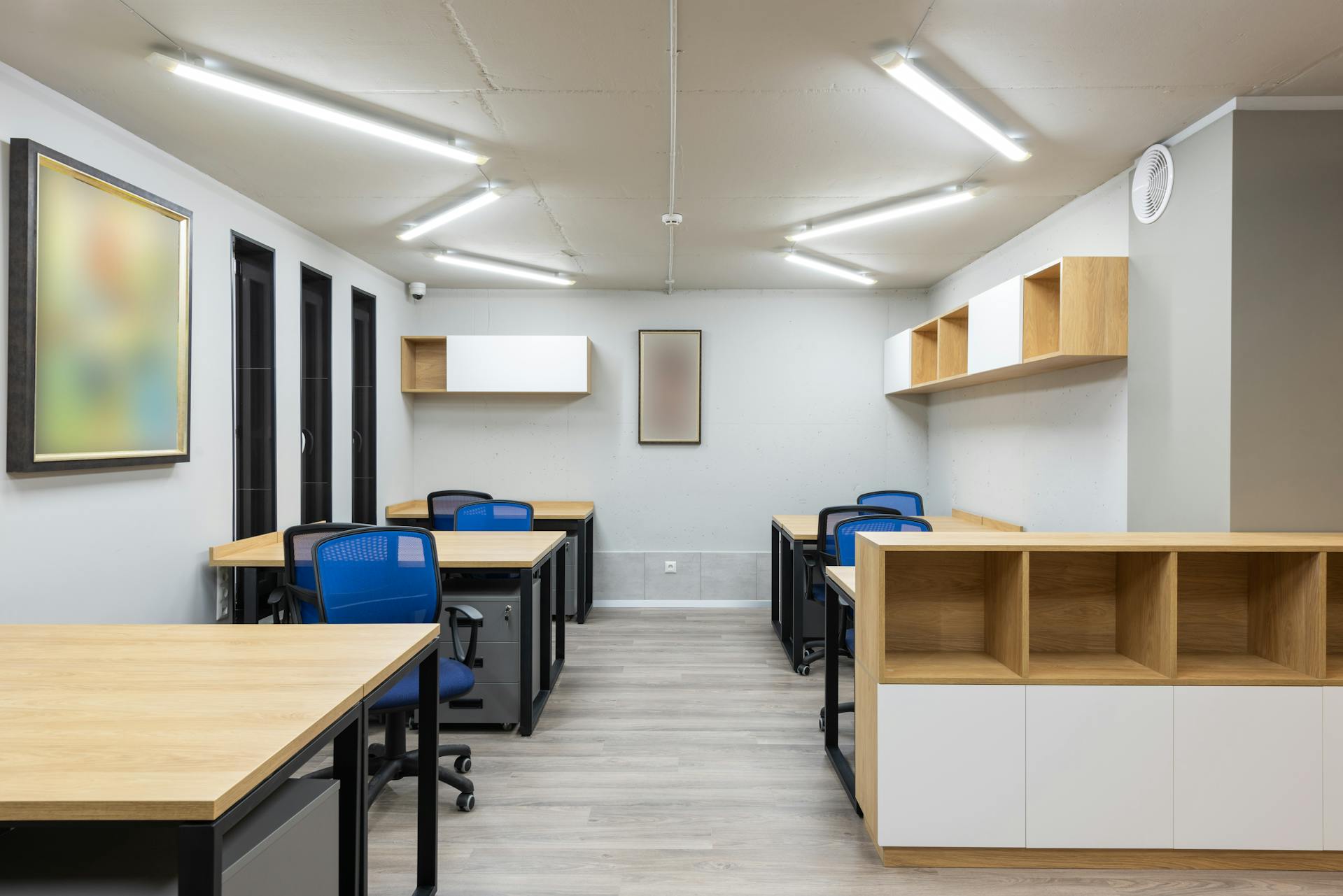
Beyond personal expression, modular furniture has emerged as a champion of sustainability. In an era marked by environmental uncertainty, conscious design is no longer a luxury—it is a moral imperative. Modular systems, by virtue of their reconfigurability, reduce the need for new furniture with every life transition. A single set of modules can serve multiple purposes across different spaces and times, minimizing waste and extending product life cycles.
Moreover, many contemporary modular furniture designers embrace sustainable materials, from responsibly sourced wood to recycled metals and plastics. The very nature of modularity encourages repair and reuse: a broken module can often be replaced individually without discarding the entire piece. In this sense, modular furniture is not just a response to modern lifestyle demands but an ethical stance—a commitment to reducing consumption while preserving functionality and aesthetic integrity.
Design Innovation: From Minimalism to Maximalism
One of the most fascinating aspects of modular furniture is its capacity to traverse diverse aesthetic paradigms. Minimalist design, with its clean lines and restrained palette, finds a natural ally in modular systems, allowing each unit to maintain functional elegance without overwhelming the space. Yet modularity is equally at home in more expressive, maximalist interiors, where units of varying colors, textures, and heights can be combined to create a personalized visual narrative.
Technological integration further elevates modular design. Smart furniture—modular units with embedded charging stations, wireless connectivity, or adaptive lighting—reflects a seamless blending of form, function, and digital sophistication. This is not mere convenience; it is the embodiment of a modern ethos where our environments anticipate, respond to, and enhance the way we live.
Psychological and Sociological Dimensions: The Human Desire for Control
Underlying the popularity of modular furniture is a deeper psychological truth: the human desire for control and agency within our immediate environment. In a world increasingly characterized by unpredictability—economic fluctuations, shifting work patterns, and global crises—our homes serve as anchors of stability. Modular furniture allows individuals to exert control over their physical space, transforming it according to immediate needs and long-term goals.
Sociologically, modular furniture aligns with the values of a generation that prioritizes experiences over possessions. Instead of accumulating static, monolithic objects, people invest in adaptable, multifunctional items that support lifestyle fluidity. The very act of arranging and reconfiguring furniture becomes a form of creative expression, a subtle ritual through which inhabitants assert their identity and agency.
Modular Furniture in Small Spaces: The Urban Imperative
Urbanization has placed unique demands on interior design, making modular furniture not merely desirable but essential. In compact apartments, lofts, or studio units, every square foot must be leveraged efficiently. Modular furniture addresses this challenge with ingenuity: foldable beds, extendable tables, stackable chairs, and transformable storage units create spatial elasticity.
The genius of modularity lies in its ability to reconcile conflicting needs: privacy versus openness, storage versus aesthetics, permanence versus adaptability. In doing so, it enables urban dwellers to cultivate homes that feel spacious, organized, and personalized—even when physical space is limited. This democratization of design ensures that quality, beauty, and functionality are accessible regardless of square footage.
Cultural Resonance: Modular Furniture as a Reflection of Modern Values
Modular furniture is also a cultural phenomenon, reflecting broader societal shifts. The preference for flexibility mirrors contemporary work patterns, where remote work, gig economies, and digital nomadism demand adaptable domestic spaces. The emphasis on sustainability echoes growing environmental consciousness. Even the aesthetic freedom inherent in modular design aligns with an era that celebrates individuality over conformity.
In this sense, modular furniture is not simply a practical choice; it is a cultural artifact. It embodies the zeitgeist of a society negotiating complexity, diversity, and change. Each unit is a microcosm of broader values, a tangible expression of a collective desire to harmonize utility, beauty, and ethical responsibility.
The Future of Modular Furniture: Beyond Functionality
As technology, materials science, and design philosophy continue to evolve, the potential of modular furniture expands exponentially. Imagine units that anticipate user behavior through embedded sensors, furniture that reconfigures automatically according to activity patterns, or systems that integrate seamlessly with virtual and augmented reality environments. Beyond mere adaptability, the next frontier may be furniture that is truly responsive, intuitive, and almost alive in its interaction with human presence.
Yet, at its core, the future of modular furniture will remain anchored in human values: the desire for control, comfort, beauty, and meaningful interaction within domestic spaces. Its evolution will continue to reflect the profound relationship between people and the spaces they inhabit, translating abstract human needs into tangible forms.
Conclusion: Modularity as a Philosophy of Living
The rise of modular furniture is far more than a fleeting design trend; it is a profound reimagining of how we inhabit our world. It challenges the rigidity of tradition, embraces the fluidity of contemporary life, and honors the interplay between function, aesthetics, and emotion. In every modular sofa, shelving unit, or table lies a narrative of adaptability, sustainability, and self-expression.
To embrace modular furniture is to embrace a philosophy of living: one that values flexibility, creativity, and conscious choice. It is an acknowledgment that our homes are not mere shelters but living, evolving landscapes that reflect who we are, what we value, and how we aspire to connect with the world. In a society marked by constant change, modular furniture offers a rare and precious gift—the ability to shape our surroundings, and in doing so, to shape our lives.