In an era where every business seeks to create unique spaces that reflect identity, ethos, and functionality, the role of furniture extends far beyond mere utility. Furniture is no longer just an object; it is a statement, a facilitator of productivity, and a bridge between aesthetics and ergonomics. At the heart of this evolution lies contract furniture manufacturing, a specialized sector that caters to the distinct needs of commercial, institutional, and large-scale residential environments. While bespoke furniture and off-the-shelf solutions have their place, contract furniture offers a suite of advantages that are reshaping how spaces are conceived and experienced. This article delves deeply into the multifaceted benefits of contract furniture manufacturing, illuminating why it has become indispensable in contemporary design.
1. Precision Tailored to Client Needs
One of the most compelling advantages of contract furniture manufacturing is its ability to provide customized solutions at scale. Unlike consumer-grade furniture, which is mass-produced for a broad market, contract furniture is engineered to meet the specific requirements of a client. Whether it is a hospital seeking ergonomic, easily sanitized seating or a corporate office looking for modular workstations that optimize workflow, contract manufacturers engage in a collaborative design process that prioritizes the end-user experience.
Customization is not merely about aesthetics. It encompasses material selection, durability, modularity, and compliance with regulations. Contract furniture can be designed to withstand heavy usage, resist wear and tear, and adapt to evolving functional needs. This level of precision ensures that the final product is both practical and meaningful, reflecting the unique identity of the client’s space.
2. Superior Durability and Longevity
In commercial environments, furniture faces challenges far beyond those encountered in residential settings. High foot traffic, frequent use, and varying environmental conditions demand furniture that is robust and resilient. Contract furniture manufacturers utilize industrial-grade materials and rigorous construction methods to produce pieces that stand the test of time.
Materials such as high-pressure laminates, steel reinforcements, and advanced polymer composites are often employed to ensure structural integrity without compromising design. The benefits are twofold: businesses save significantly on replacement costs, and the environmental footprint is reduced due to less frequent disposal and replacement. In an age where sustainability is increasingly paramount, the longevity of contract furniture represents a tangible commitment to responsible business practices.
3. Compliance with Safety and Industry Standards
Commercial and institutional furniture is subject to stringent safety and regulatory standards. Hospitals, schools, hotels, and offices must adhere to regulations concerning fire safety, ergonomics, and accessibility. Contract furniture manufacturers are experts in navigating these requirements. They integrate compliance into the design and production processes, ensuring that every piece of furniture meets or exceeds legal and industry standards.
For instance, seating in public spaces must often comply with fire retardancy laws, while office furniture must support ergonomically correct postures. By partnering with a contract manufacturer, organizations can mitigate liability risks and prioritize the well-being of their employees and clients.
4. Cost Efficiency Through Expertise and Scale
While custom furniture is often perceived as expensive, contract furniture manufacturing offers remarkable cost efficiencies, especially for large-scale projects. Experienced manufacturers streamline the production process, leveraging economies of scale, bulk material sourcing, and advanced manufacturing technologies. These efficiencies translate into competitive pricing without sacrificing quality.
Furthermore, contract furniture reduces hidden costs associated with maintenance, replacement, and downtime. Durable, high-quality pieces require less frequent repair, saving organizations both time and money. The initial investment in well-crafted contract furniture often pays dividends in operational efficiency and reduced long-term expenditure.
5. Integration of Design and Functionality
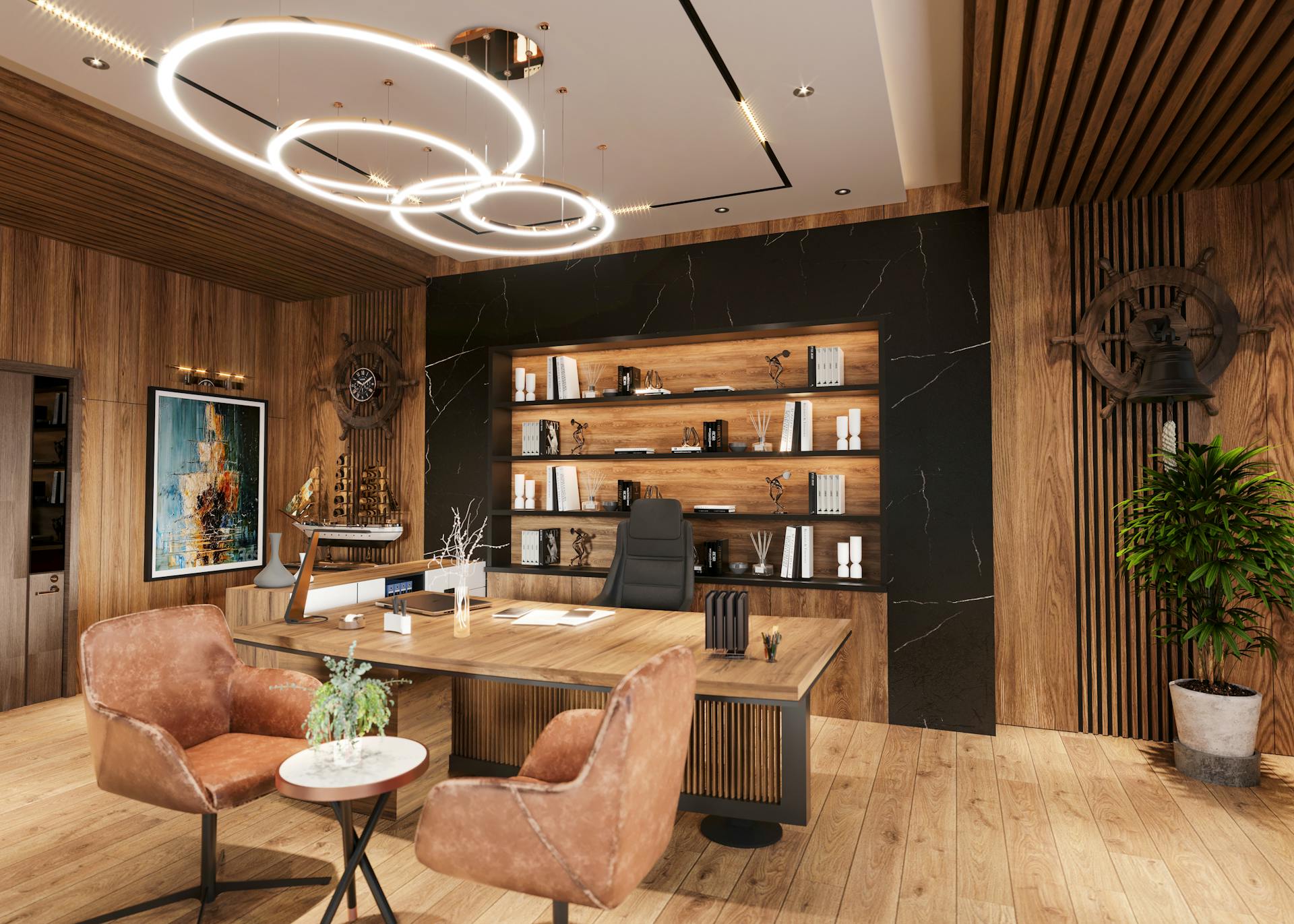
Contract furniture manufacturers operate at the intersection of design innovation and functional necessity. They understand that in commercial spaces, furniture is not merely decorative—it must facilitate workflow, enhance user experience, and complement architectural vision. Designers and engineers collaborate to create solutions that harmonize aesthetics and practicality, from acoustic-friendly office panels to modular seating that can be reconfigured as organizational needs evolve.
The flexibility inherent in contract furniture allows for future-proofing spaces. Modular systems, multi-purpose surfaces, and adaptable configurations enable businesses to respond dynamically to changing operational requirements. This adaptability ensures that furniture is not a static element but an evolving contributor to the space’s function and character.
6. Environmental Responsibility and Sustainable Practices
In recent years, sustainability has emerged as a crucial consideration in furniture manufacturing. Contract furniture manufacturers are increasingly adopting eco-conscious materials, energy-efficient processes, and circular economy principles. By using sustainably sourced wood, recycled metals, and low-VOC finishes, manufacturers create products that minimize environmental impact while maintaining performance and aesthetics.
Moreover, the durability of contract furniture inherently supports sustainability. Long-lasting pieces reduce the frequency of replacement, thereby conserving resources and minimizing waste. Choosing contract furniture becomes not only a matter of operational efficiency but also an ethical and environmental commitment.
7. Streamlined Project Management and Logistics
Large-scale projects often involve complex logistics, multiple stakeholders, and tight deadlines. Contract furniture manufacturers provide end-to-end project management, coordinating design, production, delivery, and installation. This comprehensive approach minimizes errors, ensures timelines are met, and reduces the administrative burden on clients.
From initial consultation to final installation, manufacturers act as a single point of accountability, allowing architects, interior designers, and facility managers to focus on broader strategic objectives rather than the minutiae of procurement and assembly. This integrated approach ensures that projects are executed seamlessly, efficiently, and with professional precision.
8. Enhancing Brand Identity and User Experience
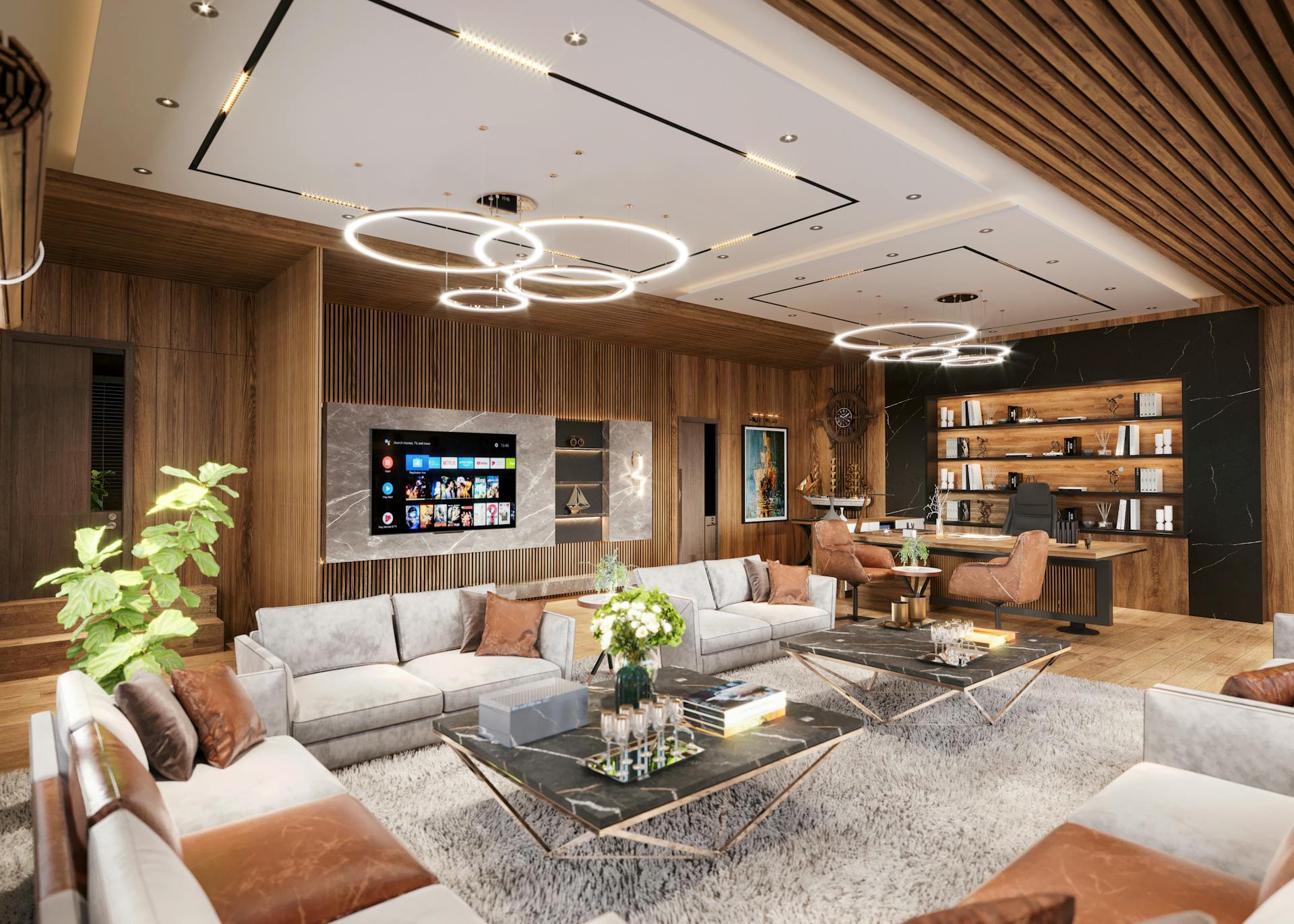
Furniture is a silent ambassador of a brand’s values, culture, and personality. Thoughtfully designed contract furniture enhances brand identity, communicates professionalism, and shapes the user experience in profound ways. A hotel lobby furnished with luxurious, custom-designed seating conveys sophistication, while a modern, flexible office setup signals innovation and collaboration.
By partnering with contract furniture manufacturers, businesses can curate environments that resonate emotionally with their clients and employees, creating spaces that are not only functional but also memorable. The subtleties of design—from texture to color palette, from ergonomics to spatial flow—can be meticulously controlled, reinforcing the story the brand wants to tell.
9. Innovation and Technological Integration
The modern contract furniture industry is a hotbed of innovation. Manufacturers incorporate technology into furniture design, from integrated charging stations and smart desks to acoustic panels with digital connectivity. Such innovations improve efficiency, comfort, and user interaction, making furniture an active participant in the modern workplace rather than a passive element.
Additionally, manufacturers are adopting digital design tools and 3D modeling, allowing clients to visualize and interact with proposed designs before production. This reduces errors, aligns expectations, and ensures that the final product perfectly matches the client’s vision.
10. A Strategic Investment in Organizational Culture
Finally, investing in contract furniture is an investment in organizational culture and human experience. Well-designed furniture improves comfort, encourages collaboration, and enhances productivity. Employees who are physically supported and psychologically stimulated by their environment are more engaged, creative, and satisfied.
Beyond internal benefits, furniture shapes the experience of clients, visitors, and partners. A thoughtfully furnished space communicates care, professionalism, and attention to detail, strengthening relationships and fostering trust. In essence, contract furniture is not just a physical asset—it is a strategic tool for enhancing organizational success.
Conclusion
Contract furniture manufacturing transcends mere production; it is a synthesis of art, engineering, and human-centric design. By providing tailored solutions, superior durability, compliance with safety standards, cost efficiency, and innovative technological integration, contract furniture empowers organizations to create spaces that are functional, sustainable, and emotionally resonant.
Choosing contract furniture is a deliberate commitment to quality, identity, and user experience. It is a recognition that furniture is not just an accessory to space but a vital participant in shaping interactions, productivity, and perceptions. In the dynamic landscapes of modern offices, healthcare facilities, educational institutions, and hospitality environments, contract furniture is not a luxury—it is a strategic imperative.
Ultimately, the benefits of contract furniture manufacturing lie not merely in the objects it produces but in the environments it transforms, the stories it tells, and the lives it touches. In a world where design meets functionality, contract furniture stands as a testament to the power of thoughtful creation and purposeful living.