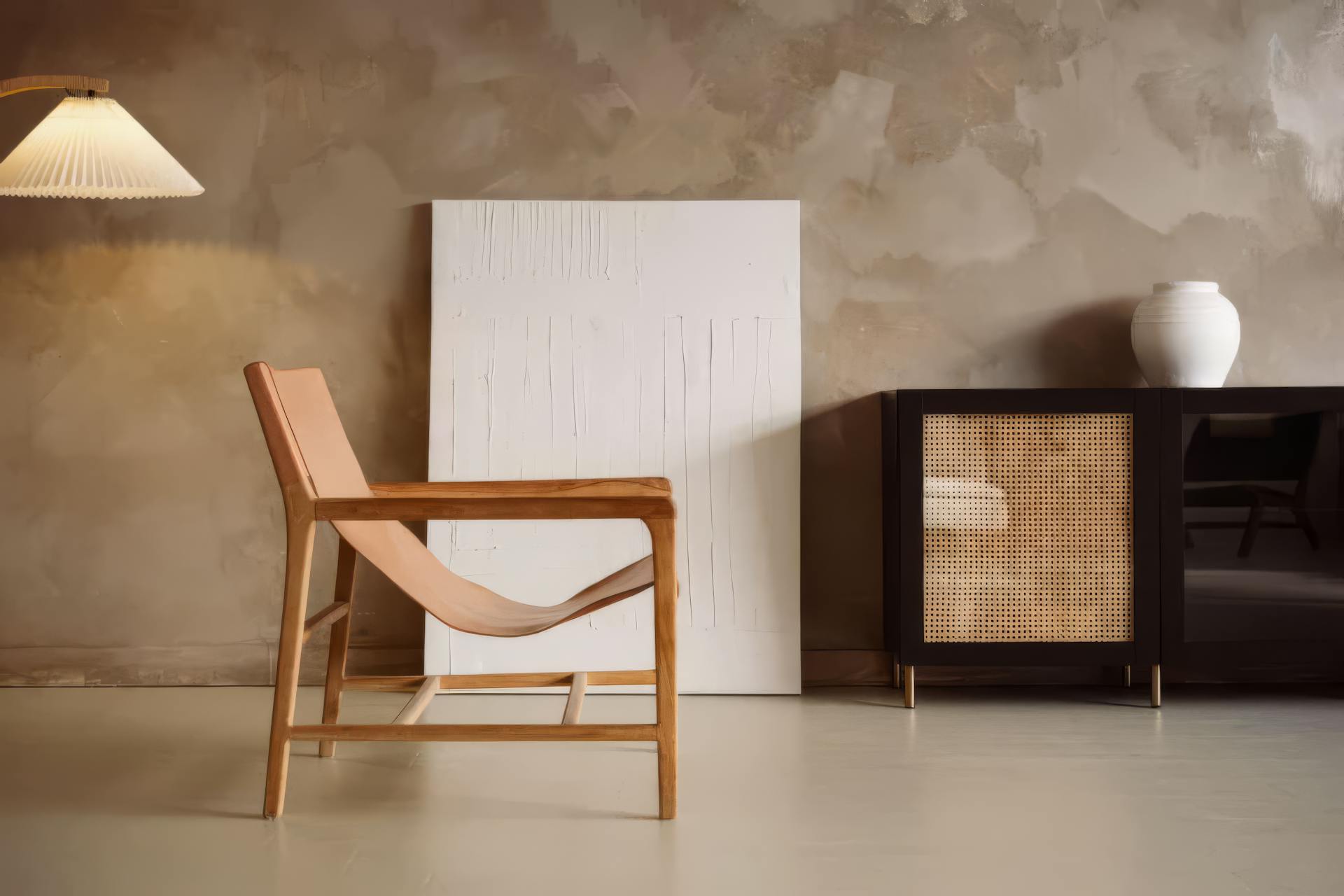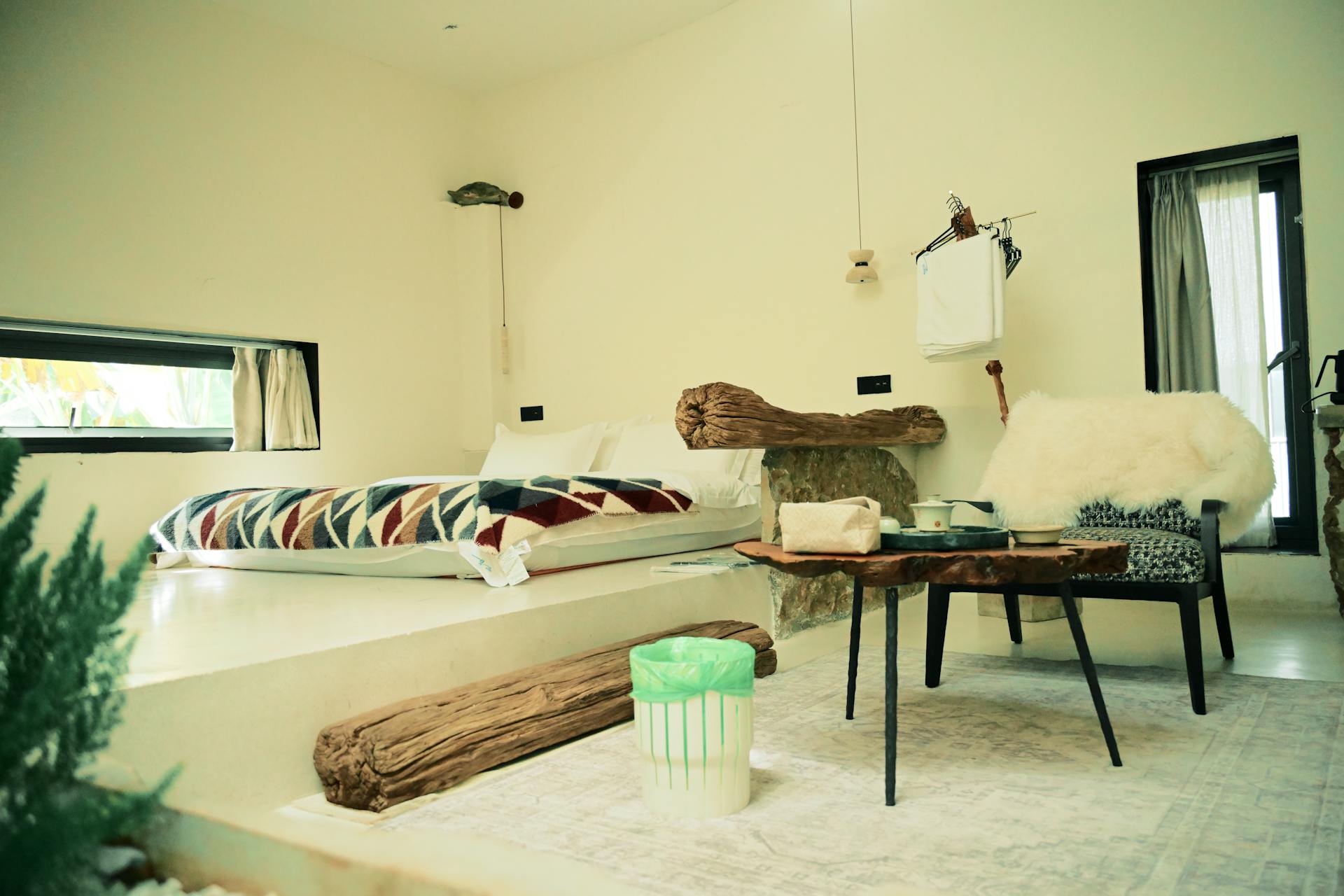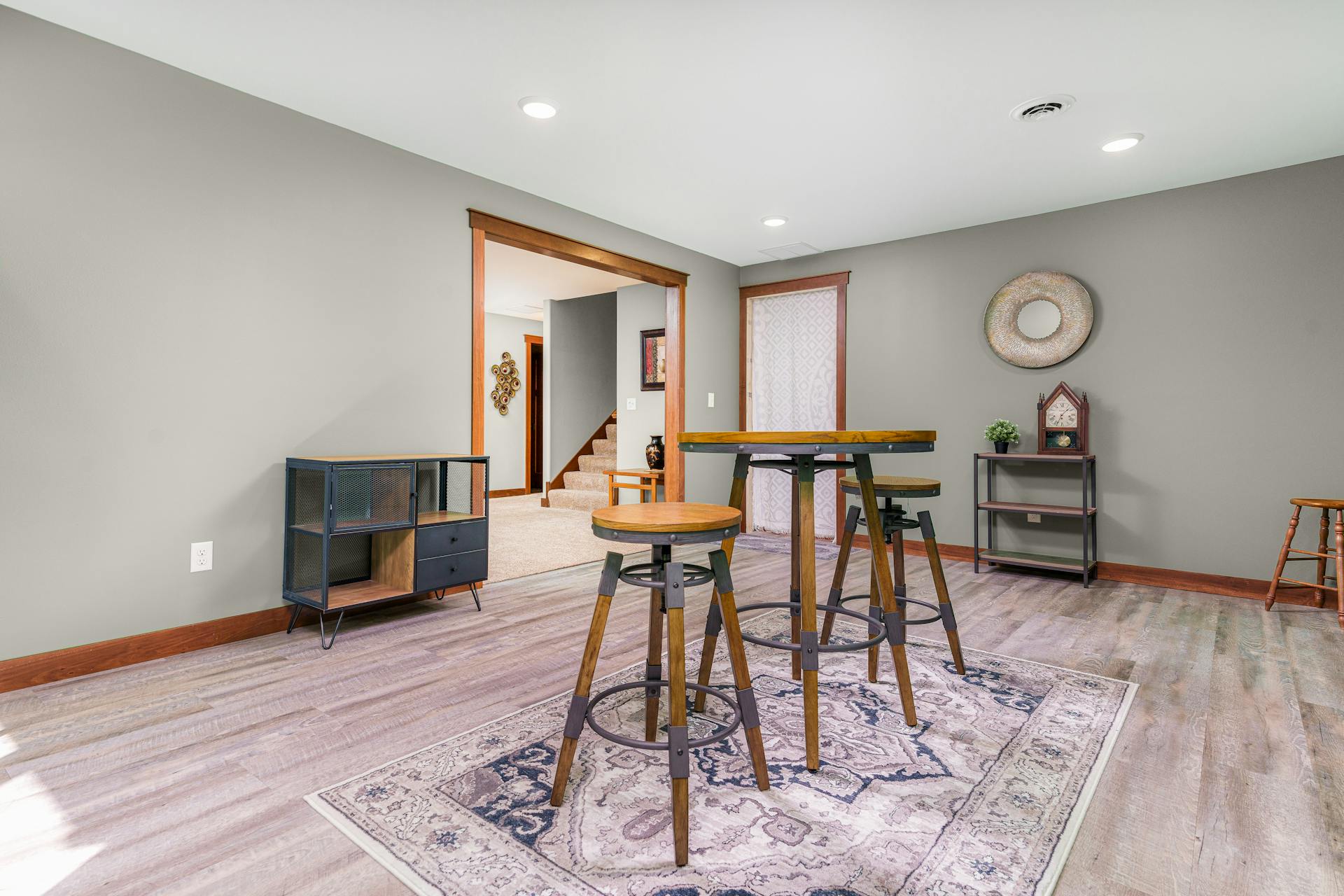
Custom furniture has a magnetic allure. It embodies the fusion of artistry, craftsmanship, and personal taste. Unlike mass-produced pieces that crowd retail shelves with mechanical uniformity, custom furniture carries the essence of its creator and the soul of its owner. But for those captivated by the idea of bespoke elegance, a pressing question naturally arises: How long does it actually take to manufacture custom furniture?
The answer is deceptively simple on the surface yet profoundly complex when unpacked. Time in custom furniture production is not merely a measure of hours or days—it is a reflection of artistry, patience, technical skill, material sourcing, and a deeply human connection to the creation process.
1. Understanding Custom Furniture
Before exploring the timeline, it is essential to understand what makes furniture “custom.” Custom furniture is defined by its tailored design, material selection, craftsmanship, and functionality. Unlike factory-made furniture, where economies of scale dictate uniformity, custom pieces are unique creations, often built to meet specific dimensions, aesthetic preferences, or ergonomic needs.
Because each piece is unique, every project begins with a conversation. Designers and craftsmen discuss the client’s vision, considering not just appearance but also practicality, sustainability, and longevity. This initial dialogue sets the stage for the timeline, as every decision made during this phase can influence production duration.
2. Phases of Manufacturing Custom Furniture
The timeline of manufacturing custom furniture is not linear—it is a symphony of overlapping stages. Each phase carries its own rhythm, and delays or refinements in one can echo throughout the process. Broadly, the process can be divided into five core stages:
2.1 Conceptualization and Design
Every great piece of furniture begins as an idea. This stage is deceptively simple: sketches, mood boards, and sometimes 3D renderings are created to visualize the final piece. Depending on the complexity of the design, this can take anywhere from a few days to several weeks.
Key factors influencing time in this phase include:
-
Complexity of the design: Intricate carvings, hidden compartments, or unconventional shapes require more detailed planning.
-
Client responsiveness: Decisions about color, material, and finishes may require multiple iterations.
-
Technical feasibility: Some designs need engineering considerations, particularly for larger or multifunctional furniture.
For example, a simple custom chair may be conceptualized in two to three days, whereas a multi-section dining table with integrated storage could require weeks of refinement.
2.2 Material Selection
Materials are the soul of furniture. Selecting wood, metal, upholstery, or other components is not just a practical step—it is a deeply aesthetic and emotional one.
High-quality hardwoods such as walnut, oak, or cherry are often preferred for their durability and visual appeal. Exotic woods or rare metals may need longer lead times due to sourcing constraints, sometimes stretching this phase from one week to multiple months.
Beyond aesthetics, craftsmen consider structural properties: density, flexibility, grain patterns, and longevity. Every choice influences the timeline because certain finishes, such as natural oils or hand-applied stains, require curing periods that cannot be rushed.
2.3 Prototyping and Planning
For more ambitious projects, prototypes or scale models are essential. They allow designers and clients to visualize the piece in three dimensions and make necessary adjustments.
This phase can take several days to weeks, depending on complexity. Even if no physical prototype is made, detailed technical drawings and joinery plans are required. Missteps at this stage can lead to costly delays later, which is why experienced craftsmen invest the necessary time upfront.
2.4 Fabrication and Assembly
This is the heart of the timeline—the moment when ideas and materials transform into tangible reality.
The duration of fabrication depends on multiple factors:
-
Type of furniture: A simple stool may take a few days, while a large cabinet with intricate inlays could take months.
-
Level of craftsmanship: Hand-carved details, dovetail joints, and polished finishes require meticulous labor.
-
Workload of the workshop: Custom furniture workshops often balance multiple projects, which may extend delivery times.
Typically, small furniture items like side tables or chairs can take 2–4 weeks, while larger pieces like wardrobes, dining tables, or sectional sofas may take 2–6 months. For ultra-luxury or highly intricate commissions, timelines of 6–12 months are not uncommon.
A subtle but important consideration is the seasoning of wood. Wood must be acclimated to its environment to prevent warping, a process that can add days or weeks but is crucial for long-term stability.
2.5 Finishing and Quality Control
The finishing process can dramatically influence both appearance and longevity. This phase includes sanding, staining, sealing, painting, and upholstery. Each layer often requires drying or curing times, making this stage highly dependent on environmental conditions such as humidity and temperature.
Even after finishing, a quality control stage ensures that every joint, curve, and surface meets the designer’s and client’s standards. For high-end pieces, multiple rounds of finishing may be applied to achieve a flawless result.
Finishing and quality control typically take 1–4 weeks, depending on the intricacy of the piece and the type of finish applied.
3. Factors That Affect Production Time
While the above stages provide a general framework, the reality of custom furniture manufacturing is that no two timelines are identical. Several factors can significantly affect production time:
-
Complexity of Design: More intricate designs require longer fabrication and finishing periods.
-
Availability of Materials: Rare woods, metals, or specialty fabrics may need to be sourced from distant suppliers, adding weeks or months.
-
Craftsman Expertise: Highly skilled artisans may complete complex work more efficiently, but they may also prioritize precision over speed.
-
Size of the Piece: Larger furniture items require more time for assembly, curing, and finishing.
-
Client Revisions: Each change requested mid-process can reset certain stages, extending delivery timelines.
-
Environmental Factors: Temperature and humidity can affect wood drying and paint curing, sometimes necessitating unexpected delays.
4. Realistic Timelines
To give readers a concrete understanding, here’s a breakdown of typical timelines for different types of custom furniture:
| Furniture Type | Estimated Timeframe |
|---|---|
| Small chair or stool | 2–4 weeks |
| Side table or nightstand | 3–5 weeks |
| Coffee table | 4–6 weeks |
| Dining table (standard) | 6–10 weeks |
| Wardrobe or cabinet | 2–4 months |
| Sectional sofa | 3–5 months |
| Luxury custom pieces with inlays or carving | 6–12 months |
It’s important to note that these are averages. Some master craftsmen may work faster, while highly specialized artisans may take longer to ensure perfection.
5. Why Custom Furniture Takes Longer Than Mass-Produced Pieces
At first glance, it may seem frustrating that a single chair or table could take months to deliver. But the time investment reflects value, not inefficiency.
-
Individual Attention: Each custom piece receives the full attention of skilled hands, rather than being churned out on an assembly line.
-
Material Care: Sourcing, acclimating, and finishing premium materials cannot be rushed without compromising quality.
-
Artistic Expression: Hand-carving, intricate joinery, and unique design elements take time, just as a painting does not emerge overnight.
-
Durability and Longevity: Custom furniture is built to last decades, sometimes centuries. Time spent in the process is time invested in durability.
In essence, the slow, deliberate pace is a testament to craftsmanship, ensuring that each creation is not only functional but also a legacy piece.
6. The Emotional Dimension of Waiting
Perhaps the most overlooked aspect of custom furniture production is the psychological and emotional journey of waiting. Anticipating the arrival of a bespoke piece cultivates a deeper connection between owner and object. There is a certain poetic satisfaction in knowing that the final product has been nurtured, carefully crafted, and patiently realized over weeks or months.
This delay is not a burden; it is part of the ritual of ownership. When the furniture finally arrives, it carries with it the story of its creation, embedding a unique emotional resonance that mass-produced items cannot replicate.
7. Tips for Navigating the Timeline
Clients can take practical steps to ensure the process flows smoothly:
-
Clear Communication: Provide detailed preferences and timely feedback.
-
Flexibility: Accept that high-quality craftsmanship cannot be rushed.
-
Research Materials: Understand availability and potential lead times.
-
Trust the Artisan: Skilled craftsmen anticipate challenges and delays for good reasons.
By embracing these principles, the timeline becomes a collaborative journey rather than a source of frustration.
Conclusion
The question, “How long does it take to manufacture custom furniture?”, cannot be answered with a single number. It depends on design complexity, materials, craftsmanship, and human factors. From concept to delivery, a small piece may be ready in weeks, while a grand, intricately detailed creation may take half a year or more.
Yet, this temporal investment is not a cost; it is a measure of value, care, and artistry. Custom furniture is a dialogue between creator and client, a tangible manifestation of imagination and skill. Every hour spent in design, material selection, fabrication, and finishing contributes to a final product that is beautiful, functional, and timeless.
In the world of custom furniture, time is not merely spent—it is honored, cultivated, and woven into the very fibers of the piece itself. When your bespoke chair, table, or cabinet finally arrives, it is not just furniture; it is a labor of love, patience, and artistry—a masterpiece born of time.