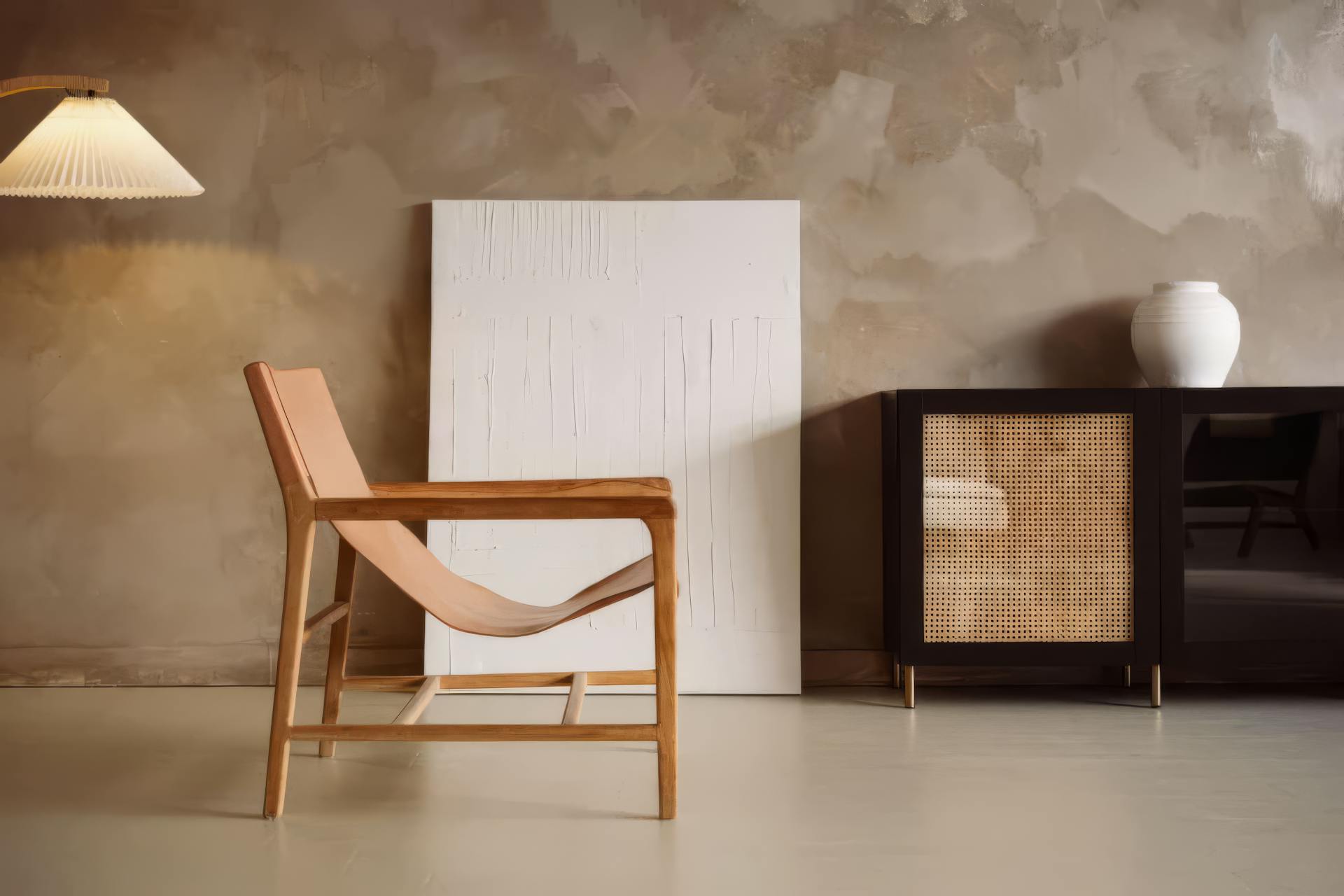

In the intricate world of furniture production, quality is not merely an attribute; it is the lifeblood of a brand’s reputation and the trust it builds with customers. A chair, a table, or a wardrobe is never just wood and hardware—it embodies craftsmanship, precision, and an unspoken promise of durability and aesthetic integrity. Yet, behind every seamless product lies a complex orchestration of processes, standards, and human diligence. How do furniture factories consistently maintain such high levels of quality across thousands of pieces, often produced in high-volume environments? The answer lies in a synergy of planning, technology, skill, and culture.
1. Establishing Rigorous Material Standards
The journey of quality begins long before a single board is cut. At the core of consistent quality is material selection. Furniture factories implement rigorous sourcing protocols to ensure raw materials meet stringent specifications. Hardwood such as oak or walnut, softwoods like pine, and engineered products like plywood or MDF are evaluated not only for appearance but also for density, moisture content, grain consistency, and resilience.
Factories often maintain direct relationships with suppliers, auditing their processes to verify sustainability practices and material consistency. Advanced techniques, including moisture meters, colorimeters, and even spectroscopic analysis, are employed to quantify characteristics that might affect durability or finish quality. This meticulous attention ensures that every piece of wood, veneer, or metal component entering the production line has predictable behavior, which is crucial for repeatable outcomes.
The Role of Material Traceability
A hallmark of high-quality furniture factories is traceability. Each batch of raw material is tagged and logged, allowing factory managers to track it through production. If a defect emerges in the final product, managers can trace the issue back to its source—whether it’s a supplier problem, storage condition, or processing anomaly—allowing corrective action and preventing future recurrence. This transparency is foundational to long-term quality control.
2. Precision in Design and Engineering
Before a chair is ever assembled, it exists as a blueprint—a combination of art and engineering. Modern furniture factories integrate sophisticated computer-aided design (CAD) software with traditional design principles to create plans that can be reproduced with high fidelity. CAD models allow engineers to simulate stress points, weight distribution, and ergonomic factors before cutting any material.
Beyond mere design, these factories often implement parametric modeling, where design parameters can be adjusted while maintaining overall structural integrity. This ensures that even when customization is requested—such as different chair heights or table widths—the resulting product meets the same rigorous standards.
3. Standardized Processes and Production Protocols
One of the most critical factors in consistent quality is the standardization of production processes. Factories often develop detailed Standard Operating Procedures (SOPs) for every task—from sanding to staining to assembly. Each SOP specifies tools, techniques, timing, and environmental conditions. Workers are trained to follow these procedures rigorously, reducing variability introduced by human error.
Lean Manufacturing and Continuous Flow
Many high-quality furniture factories adopt principles of lean manufacturing, minimizing waste and maintaining a smooth production flow. Tasks are organized in logical sequences, ensuring that each step adds measurable value. Lean production not only improves efficiency but also stabilizes quality by reducing the chances of overlooked errors.
Jigs, Templates, and Automation
While handcrafted skill remains invaluable, modern furniture factories often use jigs, templates, and automated machinery to maintain uniformity. A jig can ensure that each leg of a table is drilled at the exact angle, while CNC (Computer Numerical Control) machines can cut intricate patterns with micron-level precision. These tools allow for the replication of complex designs without sacrificing consistency, bridging the gap between mass production and craftsmanship.

4. Skilled Craftsmanship as a Quality Anchor
Even with automation, the human element remains indispensable. Highly trained artisans perform the nuanced work that machines cannot replicate—finishing touches, quality inspections, and problem-solving during assembly. Factories invest heavily in workforce development, emphasizing techniques such as hand sanding, precise joinery, and careful varnishing.
This human touch not only ensures functional integrity but also preserves aesthetic qualities. Wood grain alignment, smoothness of joints, and uniform stain absorption often require perceptive judgment that transcends automated measurements. Factories that prioritize continuous skill development among their artisans invariably produce furniture that resonates with both durability and elegance.
5. Layered Quality Control Systems
To sustain high-quality output, furniture factories implement multi-tiered quality control systems at every stage of production.
-
Incoming Material Inspection: Each batch of raw materials is tested for defects, moisture levels, and conformity to specifications.
-
In-Process Checks: During assembly, workers inspect joints, alignment, and surface smoothness. Any deviation triggers immediate correction.
-
Post-Assembly Verification: Finished pieces undergo detailed checks for structural integrity, finish consistency, and overall appearance.
-
Randomized Sampling and Stress Testing: For mass-produced items, random sampling ensures that products meet durability standards, including weight-bearing tests, stress simulations, and environmental exposure assessments.
By embedding quality checks throughout the process, factories catch defects early, reducing waste and maintaining customer trust.
6. Environmental Control and Workspace Design
Furniture quality is profoundly influenced by the environment in which it is produced. Temperature, humidity, and dust levels affect wood expansion, paint curing, and adhesive performance. Advanced factories maintain climate-controlled workshops to stabilize these variables.
Workspace layout is also designed with efficiency and quality in mind. Separate zones for cutting, assembly, finishing, and drying reduce cross-contamination and allow for specialized climate control in each area. Proper lighting ensures that artisans can detect surface imperfections that might otherwise be missed, and organized storage minimizes material damage before assembly.
7. Finish Quality: Beyond Surface Aesthetics
Finishing is where craftsmanship and science converge. A high-quality finish protects furniture from wear and environmental damage, enhances aesthetic appeal, and ensures uniformity across pieces.
Factories often use a combination of techniques—staining, lacquering, painting, and oiling—depending on material type and intended use. Automated spray booths provide even coverage, while manual touch-ups ensure depth and detail. Advanced factories test finishes for abrasion resistance, UV stability, and chemical resilience, guaranteeing that furniture retains both appearance and durability over time.

8. Data-Driven Quality Management
Modern furniture factories increasingly leverage data to maintain consistency. Sensors, IoT devices, and production management software track parameters like humidity, cutting accuracy, machine calibration, and assembly times. This data informs predictive maintenance schedules and process adjustments, reducing errors before they manifest in defective products.
Performance metrics are also analyzed to identify trends. For instance, if a certain batch of plywood shows higher rates of splitting during cutting, the system can flag potential supplier or storage issues. By treating quality as a measurable, analyzable phenomenon, factories shift from reactive to proactive management.
9. Cultivating a Culture of Quality
Perhaps the most intangible yet critical factor is culture. Factories that consistently deliver excellence cultivate a culture where quality is everyone’s responsibility—from the CEO to the newest apprentice.
This culture manifests in clear communication, rigorous training, and recognition of craftsmanship. Employees are empowered to halt production if defects are identified, creating an environment where pride in workmanship supersedes speed or cost-cutting pressures. When quality becomes an ingrained value rather than a checklist item, consistency becomes almost inevitable.
10. Continuous Improvement and Innovation
Finally, maintaining quality is not a static achievement; it requires ongoing refinement. Factories engage in continuous improvement practices such as Kaizen, regularly reviewing processes, experimenting with new materials, and incorporating customer feedback.
Innovation plays a dual role: it enhances both aesthetics and durability. Advanced adhesives, sustainable composite materials, or anti-warping technologies enable furniture to meet modern demands without compromising craftsmanship. By balancing tradition with innovation, factories ensure that quality evolves with market expectations rather than stagnating.
Conclusion
Consistent quality in furniture manufacturing is the product of a delicate interplay between materials, machinery, human skill, process control, and organizational culture. It is a discipline that demands foresight, attention to detail, and a relentless commitment to excellence.
From sourcing the finest raw materials to precision engineering, from layered quality checks to environmental control, every step is a calculated investment in reliability. Even in an age of automation, the human touch—expertise, judgment, and care—remains central to producing furniture that is not only functional but enduring and beautiful.
For factories, achieving consistent quality is less about luck and more about cultivating systems that anticipate variability and transform it into predictability. In doing so, they honor not just their craft but the trust of every person who sits on a chair, leans on a table, or opens a wardrobe—connecting a human experience to the quiet brilliance of meticulous production.
In the end, the furniture tells the story: a story of patience, precision, and pride woven into every curve, joint, and finish. And that is the essence of quality that no machine alone can fully replicate—it is the soul of craftsmanship preserved through rigor, passion, and unwavering attention to detail.