Custom furniture manufacturing, especially in the B2B context, is often misunderstood as a simple act of making objects to fill space. In reality, it is a discipline woven from precision engineering, aesthetic intelligence, logistical mastery, and—perhaps most underappreciated—deep human collaboration. When a business chooses custom furniture over off-the-shelf alternatives, it is choosing to express identity through material form. It is choosing to invest in objects that carry its brand’s voice, cultural tone, and operational needs. And behind every piece of furniture designed for a hotel lobby, co-working space, restaurant chain, retail environment, or corporate headquarters is an intricate manufacturing ecosystem built on trust, craftsmanship, and strategy.
In this article, we will walk step-by-step through how custom furniture manufacturing truly works for B2B clients—how it begins, how it unfolds, and how it ends—while illuminating the invisible emotional and professional labor required to turn an idea into something tangible, functional, and enduring.
1. Why Businesses Choose Custom Furniture: The Emotional and Strategic Drivers
Before exploring the mechanics, it is important to understand the intention. Businesses do not commission custom furniture merely because they want something “new.” They do it because they want something right.
1.1 Strategic Fit
Every business operates within a unique environment defined by workflow, customer experience needs, compliance requirements, capacity constraints, and brand expression. Off-the-shelf furniture often fails to check all boxes at once. Custom allows for precision alignment—dimensions, heights, materials, functionalities, and modular configurations tailored specifically to the environment.
1.2 The Desire for Differentiation
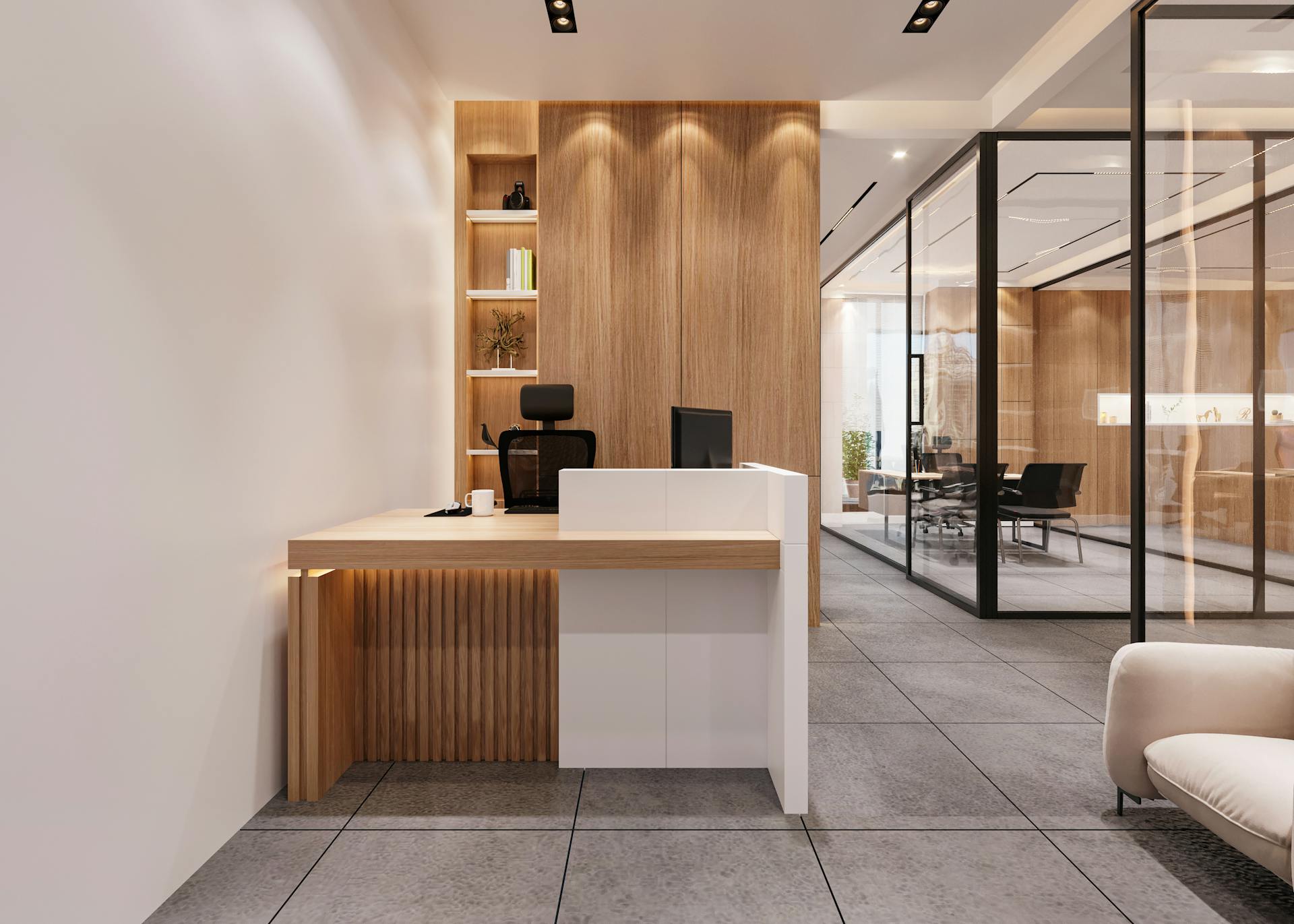
In highly competitive industries such as hospitality, retail, and workspace management, furniture becomes a defining differentiator. A chair is not a chair—it is a touchpoint in the customer journey. A reception desk is not a desk—it is the first chapter of the brand’s narrative. Companies choose custom when they want that narrative to be unmistakably their own.
1.3 The Emotional Undercurrent
Perhaps the most overlooked reason: custom furniture carries emotional weight. It is a long-term investment, often representing a significant capital expense. Businesses want pieces that feel meaningful, intentional, worthy of the effort poured into building the space itself. There is pride in commissioning something unique, something crafted for a purpose, something reflecting the invisible values of the company.
Phase 1: Discovery & Requirement Definition
This is the foundation—the moment where the future of the furniture is shaped not by tools, but by questions. Good manufacturers do not begin by sketching. They begin by listening.
2.1 Understanding the Business Need
For B2B clients, the conversation generally revolves around:
-
What problem must this furniture solve?
-
What experience should it create?
-
What operational constraints exist (traffic flow, durability demands, safety standards)?
-
Who will use it, and how?
-
What is the lifespan expectation?
These questions create the initial framework.
2.2 Space Evaluation
Even the most beautiful furniture fails if it does not fit harmoniously within its architectural environment. Manufacturers often request:
-
CAD files
-
Floor plans
-
Elevation drawings
-
On-site measurements
-
Brand guidelines
This helps prevent costly design contradictions later.
2.3 Style & Material Preferences
Some clients have strict brand aesthetics; others want guidance. Manufacturers typically explore:
-
Material palettes (wood species, metal finishes, textiles)
-
Color psychology
-
Durability requirements (e.g., abrasion resistance for hotels)
-
Sustainability goals
-
Maintenance considerations
At this stage, manufacturers help the client articulate what they may not yet have the vocabulary for. Many business clients know what they want to feel, but not what they want to specify. Translating emotion into materiality is a quiet, meticulous art.
Phase 2: Concept Development & Design Engineering
This is where possibilities take shape.
3.1 Ideation & Sketching
Designers begin by exploring multiple stylistic directions. They generate sketches, mood boards, and preliminary concepts to spark conversation.
3.2 Technical Drawings
Once the aesthetic direction is approved, engineers convert inspiration into technical reality:
-
2D technical drawings
-
3D models
-
Construction details
-
Material specifications
-
Structural calculations
This stage is where design meets physics.
3.3 Prototyping Decisions
Depending on complexity, manufacturers may propose:
-
Full-size prototypes
-
Partial prototypes (e.g., joints, mechanisms)
-
Digital simulations
B2B clients often require prototypes for approval, especially for furniture destined for large-scale rollout (hotel chains, franchise stores, office clusters).
3.4 Cost Engineering
Cost is not simply quoted; it is engineered.
-
Material choices affect cost significantly.
-
Joinery methods influence labor hours.
-
Finishes affect production time and durability.
-
Design complexity determines tooling and workflow.
A skilled manufacturer balances aesthetics and feasibility without compromising integrity.
Phase 3: Material Sourcing & Production Planning
Manufacturing custom furniture is akin to conducting an orchestra—every supplier, machine, technician, and timeline must align.
4.1 Material Procurement
Manufacturers source:
-
Timber (solid wood, veneers)
-
Metals (steel, aluminum, brass)
-
Upholstery textiles
-
High-performance coatings
-
Hardware (hinges, glides, fasteners)
-
Specialized components
Sourcing requires balancing:
-
Quality consistency
-
Lead times
-
Sustainability standards
-
Supply chain stability
4.2 Production Scheduling
Production managers create a detailed schedule considering:
-
Machine capacity
-
Skilled labor allocation
-
Complexity of custom elements
-
Drying and curing times for finishes
-
Dependencies (e.g., metal frame before upholstery)
Custom manufacturing rarely benefits from economies of scale. Every piece has its own lifecycle and challenges.
Phase 4: Manufacturing & Craft Execution
This is the phase where human ability and material behavior collide.
5.1 Cutting & Machining
Using CNC routers, table saws, lathes, and laser cutters, raw materials are shaped with millimeter precision. For metal furniture, welding and bending processes come into play.
5.2 Joinery & Assembly
This stage reveals the mastery of human craftsmanship. Joinery techniques—dovetails, mortise-and-tenon, finger joints, welded seams—play a critical role in durability.
Furniture is not only assembled; it is engineered to endure.
5.3 Finishing
The finishing process gives furniture its personality:
-
Sanding (multi-pass)
-
Staining or painting
-
Sealing and protective coatings
-
Texturing
-
Patina or aging effects
Commercial-grade furniture often requires finishes that withstand heavy traffic, frequent cleaning, and varying climate conditions.
5.4 Upholstery
Upholstery is a blend of art and ergonomics. Foam densities, stitching quality, fabric tension, seam alignment—every detail matters, especially for B2B clients who prioritize comfort and longevity.
5.5 Quality Control
Every component undergoes inspection:
-
Structural stability
-
Surface uniformity
-
Color accuracy
-
Safety compliance
-
Functional testing (drawers, hinges, mechanisms)
Quality control is not only a safeguard; it is a promise of trust.
Phase 5: Logistics, Delivery, and Installation
Beautiful furniture can still fail if not delivered and installed flawlessly.
6.1 Packaging Engineering
Custom furniture requires custom packaging solutions:
-
Edge protection
-
Shock-absorbing materials
-
Humidity barriers
-
Pallet configurations
B2B shipments often travel long distances or undergo multi-stage transport; packaging is integral to risk mitigation.
6.2 Delivery Coordination
Manufacturers coordinate with:
-
Freight companies
-
Installation teams
-
On-site project managers
-
Building access personnel
Timing must align with construction schedules and interior build-outs.
6.3 Installation
Furniture is installed, leveled, secured, and tested. For complex built-ins—bar counters, reception desks, wall units—manufacturers may send specialized crew.
6.4 Final Handover
Clients inspect the furniture, confirm alignment with specifications, and sign off on completion. Manufacturers provide maintenance guidelines, finish care instructions, and post-installation support.

6. Behind the Scenes: The Human Dimensions of B2B Custom Manufacturing
It is easy to overlook the emotional footprint of custom manufacturing, but it is profound.
6.1 Trust as Currency
A business entrusts a manufacturer with:
-
Capital
-
Brand reputation
-
Operational functionality
-
Customer experience
That level of expectation creates pressure—but also partnership.
6.2 Invisible Knowledge Work
The final product may be tangible, but much of the labor is not:
-
Interpreting ambiguous client needs
-
Anticipating ergonomic failures
-
Harmonizing aesthetic preferences
-
Forecasting risk
-
Engineering cost without degrading integrity
These tasks require judgment shaped by years of experience.
6.3 Craftsmanship in the Age of Machines
Machines provide precision, but craftsmanship provides soul. A master finisher can sense when a surface is “right” long before it looks right. An experienced upholsterer adjusts tension by feel. A metalworker knows the personality of each weld.
Custom furniture for B2B clients thrives on the union of human intuition and industrial capability.
7. The Economics Behind the Work
Businesses often ask: Why is custom furniture more expensive?
7.1 Unique Design Costs
Every custom piece requires individualized:
-
Engineering
-
Drawings
-
Material calculations
-
Labor planning
These upfront investments are amortized across one client, not thousands.
7.2 Higher Skilled Labor Needs
Custom work is slower, more intricate, and more dependent on senior craftsmen.
7.3 Material Precision
Custom furniture often uses higher-grade materials because businesses cannot risk premature wear in commercial settings.
7.4 Robust Quality Standards
B2B environments are demanding:
-
Hotels host thousands of guests yearly
-
Restaurants experience spills, abrasions, and temperature variations
-
Offices require ergonomic resilience
Durability enhances cost, but reduces long-term replacements.
8. Sustainability: A Growing Priority
Modern B2B clients increasingly demand sustainability. Manufacturers respond by:
-
Sourcing certified wood
-
Using water-based finishes
-
Reducing waste through optimized cutting
-
Offering repair and refurbishment services
-
Using recycled metals and fabrics
Custom furniture tends to be more sustainable than mass-produced alternatives simply because it lasts longer and fits its environment more intelligently.
9. What Makes a Good Custom Furniture Manufacturing Partner?
Choosing the right manufacturer is as important as choosing the right design.
9.1 Technical Capability
The manufacturer must demonstrate mastery in:
-
CAD engineering
-
Material science
-
Joinery and finishing techniques
-
Prototyping
-
Large-scale coordination
9.2 Reliability and Communication
Timelines and clarity are crucial. A great manufacturer sets expectations honestly and communicates deviations proactively.
9.3 Quality Standards
Evidence of strong quality control processes is essential.
9.4 Experience with B2B Clients
Commercial furniture has entirely different demands from residential furniture. Choose a partner fluent in:
-
Durability needs
-
Regulatory compliance
-
Logistics management
-
Scalable production
10. The Final Emotional Layer: Why Custom Furniture Matters
To understand the importance of custom furniture in a B2B world, one must look beyond the technicalities.
Custom furniture is not manufactured—it is created.
It is a physical manifestation of vision, collaboration, trust, and identity.
It sits at the intersection of design intent and human need.
It is where brand values become something you can touch.
It is where space becomes meaningful.
It is where businesses finally feel like themselves.
In a world filled with mass production and disposable objects, custom furniture manufacturing stands as a quiet testament to intentionality—to the belief that environments deserve more than function; they deserve resonance.
And perhaps that is what makes it emotional: the recognition that behind every custom piece lies not just craftsmanship, but care. Not just materials, but meaning.