In the global furniture industry—an ecosystem where craftsmanship meets mass production, where tradition stands shoulder to shoulder with technology—manufacturers and brands rely heavily on two fundamental production models: OEM (Original Equipment Manufacturer) and ODM (Original Design Manufacturer). These two acronyms are invoked constantly in sourcing conversations, supply chain blueprints, and product development strategies. Yet beneath their simple definitions lies a nuanced landscape of creativity, intellectual property, responsibility, risk, and opportunity.
To truly understand the difference between OEM and ODM in furniture manufacturing is to understand not only how furniture is made, but how ideas evolve into physical objects, how relationships between brands and factories are built, and how entire markets take shape. This article aims to deliver a comprehensive, emotionally resonant, and profoundly clear exploration of these two models—so that whether you are a designer, a business leader, or someone who simply loves the story behind the objects in your home, you can walk away with an enriched, empowered understanding.
1. Why OEM and ODM Matter in the Furniture Industry
Furniture is not merely a collection of objects we use. It is the architecture of our daily lives—where we work, rest, think, gather, and imagine. The industry that creates these pieces is vast and complex. Behind every chair supporting a late-night brainstorm, every dining table hosting years of conversations, every sofa cradleling quiet moments of life, there is an intricate manufacturing and design process. And at the center of this process are OEM and ODM models.
These models determine:
-
Who owns the design.
-
Who controls the engineering.
-
Who bears the risk.
-
How innovations come to market.
-
How brands differentiate themselves.
-
How factories grow, specialize, and survive in a highly competitive global environment.
Understanding OEM vs. ODM is understanding the heartbeat of modern furniture production—and the invisible dialogue between brand vision and factory capability.
2. What Is OEM in Furniture Manufacturing?
2.1. The Essence of OEM
An Original Equipment Manufacturer (OEM) produces furniture according to the exact specifications provided by the client. The brand owns the design concept, technical drawings, product features, and intellectual property. The factory’s role is to execute.
In comfortable terms:
The brand imagines. The factory builds.
OEM is fundamentally about precision, fidelity, and trust. The manufacturer is judged by how accurately they can turn a brand’s sketches, CAD files, and material specifications into a high-quality product—often at scale.
2.2. How OEM Typically Works
A typical OEM workflow includes:
-
Brand provides designs — 3D models, engineering drawings, material lists, color standards.
-
Factory reviews feasibility — cost estimate, material availability, machinery suitability.
-
Prototype creation — a first sample to validate structure, aesthetics, and production method.
-
Sample revisions — adjustments to match the brand’s expectations.
-
Mass production — executed strictly according to approved specifications.
-
Quality control — often driven by both factory QC teams and the brand’s inspectors.
2.3. Who Uses OEM
-
Premium furniture brands guarding proprietary designs
-
Companies with in-house design teams
-
Designers seeking production partners
-
Retailers developing private-label collections with unique identity
2.4. Why Brands Choose OEM
OEM offers:
-
Full design ownership
-
High brand differentiation
-
Tight control over brand identity
-
Protection of intellectual property
-
Alignment with premium or custom markets
OEM allows a brand to say: This is ours. This is who we are.
2.5. The Emotional Core of OEM
OEM manufacturing carries an intimacy that few production models can match. A designer’s sketch—born from months of inspiration, research, and iteration—travels across oceans into the hands of craftspeople who transform that vision into the first prototype. It is a quiet, profound moment: a product that lived only in imagination becomes tangible.
The OEM process honors creativity. It preserves authorship. And in the best partnerships, it forges an unspoken bond between the dreamer and the maker.
3. What Is ODM in Furniture Manufacturing?
3.1. The Essence of ODM
An Original Design Manufacturer (ODM) does far more than produce furniture. It designs furniture. An ODM develops its own concepts, engineering, and prototypes, then offers these designs for brands to purchase, modify, or sell under their own name.
In human terms:
The factory imagines. The brand selects.
ODM is not merely production—it is creation. Factories investing in ODM capabilities often maintain internal R&D teams, trend analysts, material engineers, and prototype workshops. They bring the product to life before a brand even enters the picture.
3.2. How ODM Typically Works
A typical ODM workflow includes:
-
Factory’s R&D team creates designs — based on trends, materials, consumer insight.
-
Prototypes are built — often showcased in catalogs or exhibitions.
-
Brands choose designs — either off-the-shelf or lightly customized.
-
Product customization — fabrics, finishes, dimensions, or mechanisms.
-
Mass production — using pre-tested processes.
-
Distribution under the brand’s label — the brand markets the product as their own.
3.3. Who Uses ODM
-
Retail chains seeking large collections quickly
-
E-commerce brands needing speed and variety
-
Startups without design teams
-
Businesses expanding categories with minimal investment
-
Private-label programs requiring reliable market-tested designs
3.4. Why Brands Choose ODM
ODM offers:
-
Speed to market
-
Lower development costs
-
Reduced design risk
-
Factory-proven engineering
-
Access to a broader design portfolio
If OEM is authorship, ODM is adoption and refinement.
3.5. The Emotional Core of ODM
ODM democratizes design. It gives brands without design teams the ability to bring beautiful, functional, and market-ready furniture to customers. It allows businesses to expand, experiment, and grow without shouldering the burden of innovation alone.
There is something deeply human in this: the willingness of factories to share their creative labor, and the willingness of brands to trust in another’s ideas. It is a reminder that creativity is not the property of a select few—it is a collective effort shaped by many hands across continents.
4. Key Differences Between OEM and ODM in Furniture Manufacturing
To fully appreciate the contrast, we must unpack their differences on multiple levels—not just function, but creativity, economics, and brand strategy.
4.1. Difference in Design Ownership
| Aspect | OEM | ODM |
|---|---|---|
| Who owns the design? | The brand | The manufacturer |
| Intellectual property | Brand-controlled | Factory-controlled |
| Customization level | Maximum | Moderate to high |
| Design responsibility | Brand | Manufacturer |
OEM is brand-led creation; ODM is factory-led innovation.
4.2. Difference in Product Development
OEM requires detailed instructions.
ODM offers ready-made solutions.
In OEM, the brand must invest in design talent, prototyping, and testing.
In ODM, the factory absorbs these costs.
4.3. Difference in Speed to Market
-
OEM: Slower, due to design development and sampling.
-
ODM: Faster, because designs are pre-developed.
For brands operating in fast-moving markets (online retail, trend-driven categories), ODM can be a competitive advantage.
4.4. Difference in Cost Structure
OEM generally entails:
-
Higher upfront costs
-
Higher design investment
-
Longer sampling cycles
ODM typically provides:
-
Lower entry cost
-
Economies of scale
-
Lower risk in assortment planning
4.5. Difference in Market Positioning
OEM:
-
Differentiated, exclusive, storytelling-driven branding
-
Stronger long-term identity
-
Suited for premium or niche markets
ODM:
-
High volume
-
Quick trend adoption
-
Ideal for mass-market or mid-range buyers
4.6. Difference in Partnership Dynamics
The OEM relationship is often deeper, more strategic, and longer-term, because the factory must deeply understand the brand’s vision and standards.
ODM relationships can be more transactional, but when done well, they evolve into co-creative partnerships where factories and brands shape markets together.
5. When Should a Brand Choose OEM vs. ODM?
This is one of the most important strategic decisions a furniture brand can make. Each model aligns with specific business philosophies and operational needs.
5.1. Choose OEM When…
-
You have a strong design identity
-
You need exclusivity
-
Your brand depends on storytelling or signature aesthetics
-
You produce high-end or luxury products
-
You want tight control over materials, ergonomics, or engineering
-
You serve a niche audience
5.2. Choose ODM When…
-
You need to expand product categories quickly
-
You are new in the market and lack design resources
-
You want market-tested designs
-
You operate in highly competitive or trend-driven segments
-
You need lower upfront investment
-
You rely on breadth of assortment
Neither OEM nor ODM is inherently superior. The “right” choice depends on who you aim to be as a brand—and what your customers expect of you.
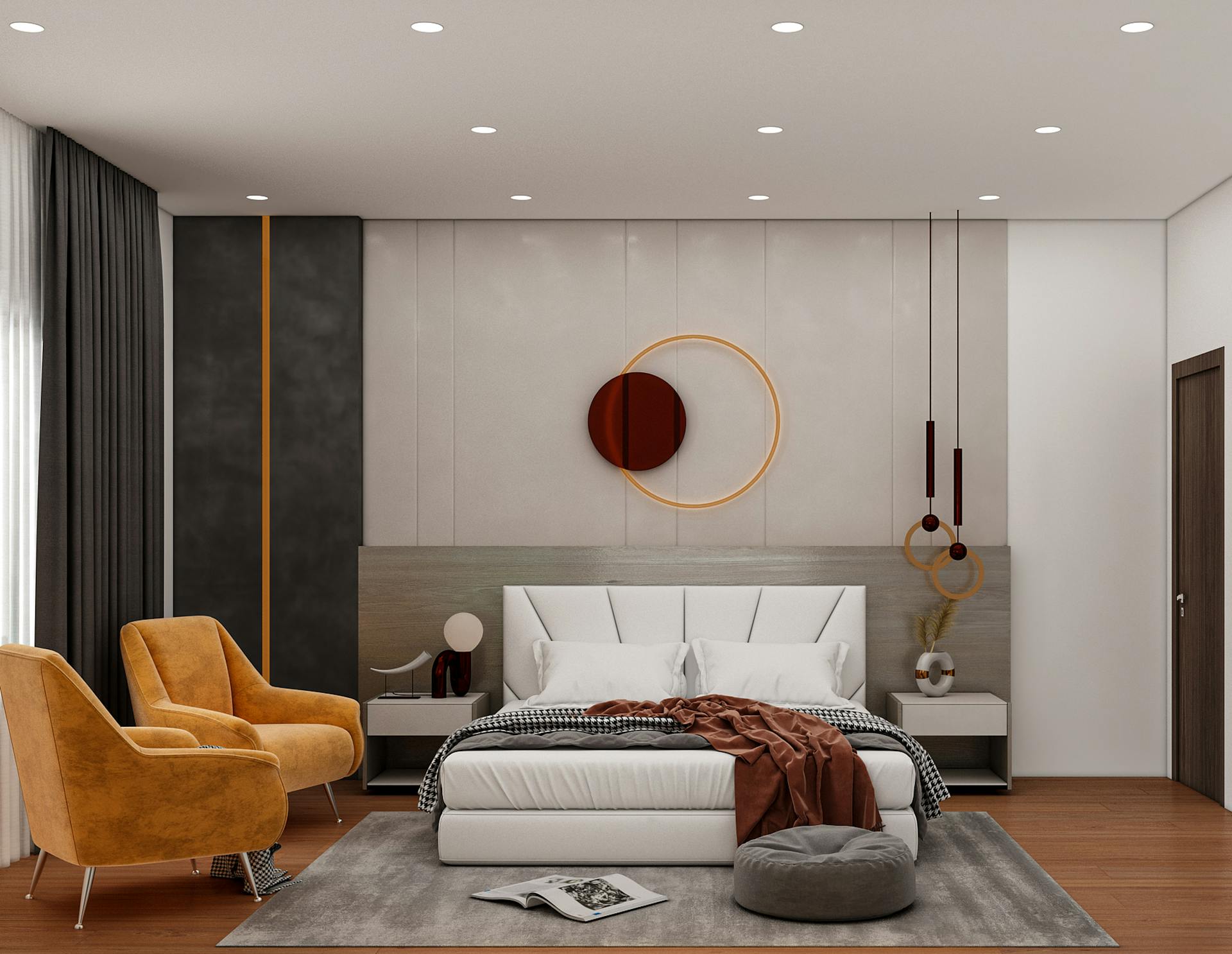
6. The Hybrid Model: When OEM Meets ODM
Many modern manufacturers operate in a fascinating hybrid zone where:
-
Brands acquire an ODM design
-
Then request OEM-level customizations
-
Resulting in a new co-developed product
This hybrid model blends speed with uniqueness. It preserves creativity while optimizing cost and time. It is, in many ways, the future of furniture manufacturing—a collaborative approach that respects both vision and practicality.
7. The Human Element Behind OEM and ODM
Factories are not faceless machines. They are communities of artisans, engineers, designers, and laborers—people whose daily work shapes the objects in our lives.
7.1. In OEM
The pride lies in precision.
In honoring someone else’s idea.
In perfecting the invisible details that most consumers will never notice.
7.2. In ODM
The pride lies in creation.
In spotting a trend before it happens.
In translating raw materials into form and feeling.
When we look at OEM and ODM through this lens, the acronyms dissolve into something more human:
-
Two models of creativity.
-
Two languages of making.
-
Two ways of bringing life into furniture.
8. Common Misconceptions About OEM and ODM
8.1. Misconception: ODM products lack originality
In reality, many ODM factories invest heavily in R&D and deliver exceptionally innovative work. Some of the industry’s most influential designs originate from ODM teams.
8.2. Misconception: OEM guarantees quality
OEM guarantees alignment with specifications—not quality. Quality still depends on the factory’s materials, processes, and ethics.
8.3. Misconception: ODM means “cheap”
ODM simply means the design originates from the factory. ODM products can range from budget-friendly to premium.
8.4. Misconception: OEM is always more expensive
While OEM has higher development costs, ODM can sometimes be more expensive in mass production due to the factory’s proprietary investment in tooling and R&D.
9. Trends Shaping OEM and ODM in the Future
The future of furniture manufacturing is being reshaped by powerful forces:
9.1. Sustainability
OEM brands demand transparency and control.
ODM manufacturers experiment with recycled materials and new eco-technologies.
9.2. Digital Prototyping
Simulation, VR modeling, and AI-assisted design shorten cycles for both OEM and ODM.
9.3. Personalization at Scale
ODM catalogs grow more modular.
OEM factories adopt flexible production systems.
9.4. Global Supply Chain Rebalancing
Brands are reconsidering where they source from—Asia, Europe, or nearshore options—giving OEM and ODM new strategic roles.
9.5. AI and Generative Design
In the coming decade, AI will generate design concepts, but factories (especially ODM ones) will remain vital to turn those concepts into manufacturable reality.
10. Conclusion: Two Pathways, One Purpose
At their core, OEM and ODM are two ways of transforming ideas into furniture. One protects the singular vision of a brand; the other expands access to design and accelerates innovation. Neither is simply technical jargon. They are philosophical choices—about identity, creativity, risk, and ambition.
Furniture manufacturing is not just about wood, fabric, screws, and machinery. It is about the hopes and intentions of those who design, the skill and dedication of those who build, and the lives of the people who will someday use these objects in the quiet, meaningful corners of their own stories.
OEM honors authorship.
ODM honors collaboration.
Both, in their own way, honor the human desire to make beautiful things real.