
In a world where the line between work and home increasingly blurs, our physical environments quietly dictate the rhythms of our bodies, minds, and even emotions. We often take furniture for granted—a chair, a desk, a sofa—but the truth is that these objects are silent custodians of our well-being. Ergonomic furniture, designed to harmonize with the natural movements of the human body, is not merely a luxury or a trend; it is a fundamental investment in comfort, productivity, and long-term health.
Ergonomics, in its purest form, is the study of efficiency and comfort in human interactions with their surroundings. Yet, its manifestation in furniture transcends mere efficiency; it shapes our posture, influences our focus, and even nurtures our psychological state. To understand how design affects comfort, one must consider the profound connection between our physical form and the objects we inhabit. The contours of a chair, the tilt of a desk, the height of a monitor—they do not exist in isolation. They are in constant dialogue with the intricate architecture of our skeletons, the tension of our muscles, and the rhythm of our daily lives.
The Anatomy of Comfort: Why Ergonomics Matters
Consider for a moment the human spine—a delicate column of vertebrae, discs, nerves, and muscles, balanced like a tower of interlocking stones. When a chair, desk, or sofa does not accommodate its natural curvature, the body compensates, often in unconscious ways. Shoulders hunch, the lumbar region collapses, and the neck stretches forward. Over time, these micro-adjustments accumulate, manifesting as back pain, tension headaches, or chronic fatigue. Ergonomic furniture intervenes in this process, aligning design with anatomy to support natural posture, reduce strain, and facilitate effortless movement.
The significance of ergonomic design becomes even clearer when we consider the average time spent sitting. Modern life has transformed sitting from a passive activity into a pervasive condition. Office workers can spend eight to ten hours a day in chairs, often without realizing the cumulative stress placed on their musculoskeletal system. Here, ergonomics serves not merely as comfort but as prevention—an investment in long-term health. It is a quiet guardian, mitigating risk before pain or injury even occurs.
Design Principles That Elevate Comfort
The beauty of ergonomic furniture lies not in a single feature but in an intricate synthesis of design elements, each contributing to a holistic experience of comfort. There are several foundational principles to consider:
Supportive Contours: The human body is not flat; chairs and seating surfaces must respect the natural curves of the spine. Lumbar support, for example, is critical in maintaining the inward curve of the lower back. Well-designed seating cradles the body, distributing weight evenly and preventing localized pressure that can restrict circulation or cause discomfort.
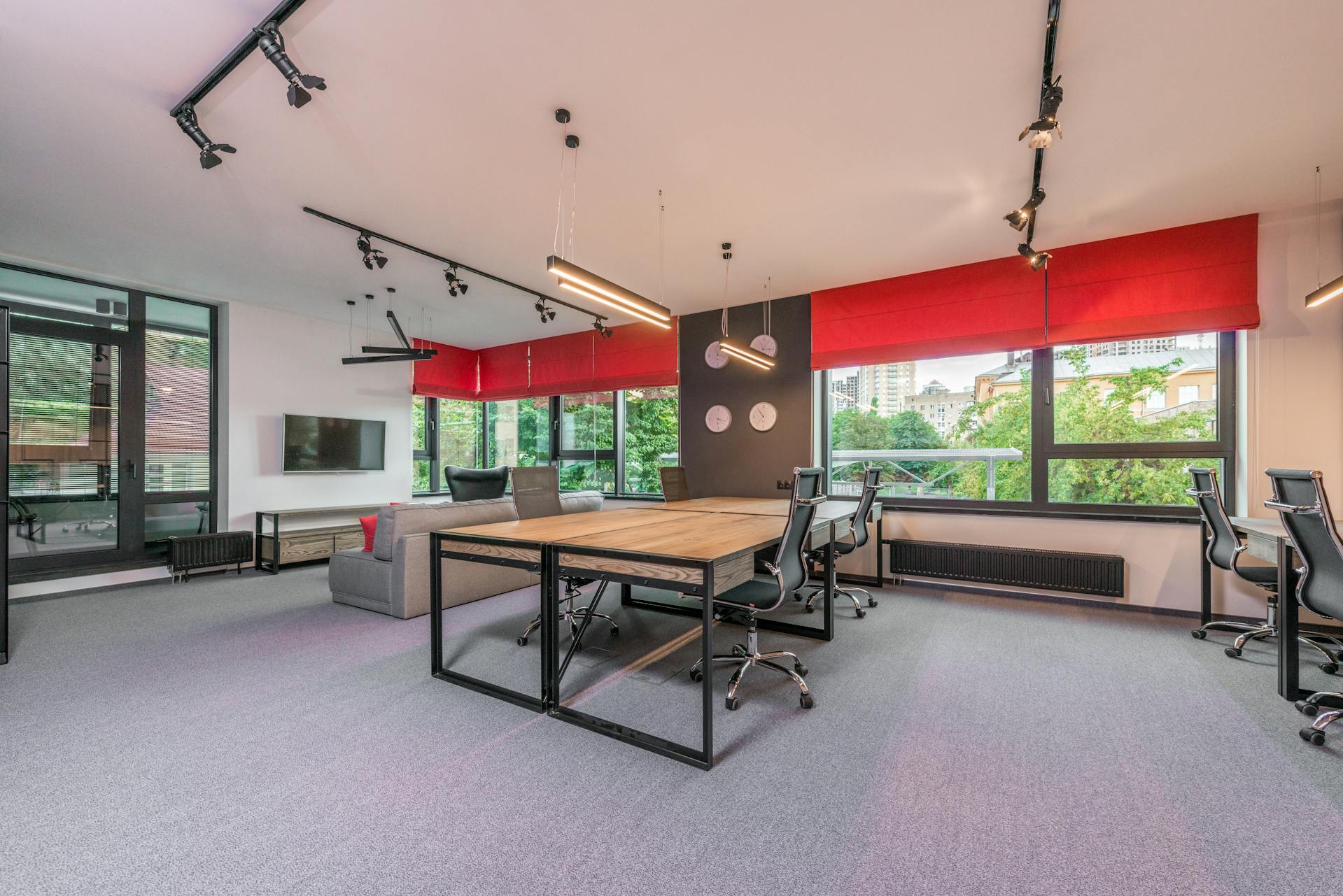
Adjustability: One of the core tenets of ergonomic furniture is adaptability. Humans vary not only in size and proportion but also in their preferred postures and movements. Chairs with adjustable height, tilt, and armrests, desks with modifiable levels, and monitor stands that allow repositioning cater to these differences. Adjustability ensures that furniture works with the body, rather than forcing the body to conform to an object.
Movement and Flexibility: Comfort is not static. The ability to shift, stretch, and reposition is essential. Chairs that allow gentle rocking or tilting, desks that support alternating between sitting and standing, and surfaces that encourage micro-movements foster a dynamic environment, reducing stiffness and promoting circulation.
Material Sensitivity: The tactile experience of furniture affects comfort in ways that are both immediate and subtle. Breathable fabrics, resilient cushioning, and temperature-regulating materials all contribute to the physical ease of sitting or reclining. Ergonomics considers not only posture but sensory comfort, recognizing that the body responds to touch, texture, and temperature as much as to alignment.
Cognitive Harmony: Ergonomics transcends the physical. Well-designed furniture can reduce mental strain by fostering a sense of order and ease. A clutter-free, thoughtfully proportioned workspace minimizes distractions and supports focus, while aesthetically pleasing designs can evoke calm, reducing stress and enhancing overall comfort.
The Science Behind Ergonomics
Scientific research consistently supports the profound impact of ergonomic design on health and productivity. Studies have shown that ergonomic interventions in the workplace—such as adjustable chairs, sit-stand desks, and properly positioned computer monitors—can significantly reduce musculoskeletal complaints. Employees report lower incidence of back and neck pain, reduced fatigue, and increased satisfaction. Furthermore, improved posture and circulation are linked to better cognitive function, suggesting that comfort and productivity are deeply intertwined.
Biomechanics, the study of the forces exerted by and upon the body, plays a central role in ergonomic design. Every chair, desk, or accessory must consider angles, leverage, and support points. For instance, the ideal office chair supports the lumbar spine at approximately 100–110 degrees, promotes a neutral neck position, and keeps feet flat on the ground or on a footrest. Even small deviations from these principles can accumulate over hours and years, leading to chronic discomfort or injury.
Beyond the Desk: Ergonomics in Everyday Life
Ergonomic design is often associated with office furniture, but its influence reaches far beyond the workplace. In homes, schools, and public spaces, ergonomic principles can transform ordinary interactions into opportunities for comfort and well-being. Kitchen counters at appropriate heights prevent back strain during meal preparation. School chairs and desks designed for children support healthy development. Even sofas and lounge chairs, when crafted with ergonomic attention, offer restorative experiences rather than merely aesthetic appeal.
Moreover, ergonomics intersects with accessibility and inclusivity. Furniture that accommodates a range of body types, abilities, and needs ensures that comfort is not a privilege but a right. This perspective broadens the definition of ergonomic design from a functional luxury to a socially responsible imperative.
The Emotional Resonance of Comfort
Comfort is often dismissed as a simple physical sensation, but its effects ripple into emotional and cognitive realms. When the body is supported, the mind can relax, focus, and create. Ergonomic furniture, by minimizing pain and strain, fosters a subtle sense of safety and well-being. It is the quiet reassurance that the environment is in harmony with the body, allowing one to exist fully in the present moment without distraction.
There is also a symbolic dimension. A chair that fits the body like an embrace, a desk that allows effortless movement, a space that respects natural rhythm—these objects convey care. They are reminders that our physical presence matters, that our health and comfort are worth intentional design. In this sense, ergonomic furniture is not merely functional; it is profoundly humanistic.

The Future of Ergonomic Design
Looking ahead, ergonomic furniture is poised to evolve alongside technology and changing lifestyles. Smart chairs that adjust automatically to posture, desks that respond to biometric feedback, and materials that adapt to temperature or pressure are no longer science fiction—they are emerging realities. Yet, even as innovation accelerates, the core principles of ergonomics remain: respect for the human form, adaptability, and the harmonization of body and environment.
Designers are increasingly exploring holistic ergonomics, integrating physical comfort with mental and emotional well-being. Workspaces are conceived not just for productivity but for creativity, focus, and resilience. Homes are designed to support both activity and rest, with furniture that encourages movement without sacrificing relaxation. In all cases, the underlying philosophy is consistent: comfort is not a luxury; it is an essential human need, deeply connected to our capacity to live, work, and thrive.
Conclusion: A Symphony of Design and Well-Being
Ergonomic furniture is far more than a category of products; it is a philosophy of living in alignment with one’s own body. It embodies an understanding that comfort is not accidental but intentional, that design shapes not only posture but experience. Each curve of a chair, each angle of a desk, each layer of cushioning is a note in a larger symphony—an orchestration of human well-being.
In embracing ergonomic design, we reclaim the agency to inhabit our spaces fully, to honor our bodies, and to cultivate an environment where productivity, health, and emotional ease coexist. It is a quiet revolution, one that transforms the mundane act of sitting into a deliberate practice of care. Through thoughtful design, comfort becomes not just a fleeting sensation but a sustainable, enriching experience—a testament to the profound power of objects to shape human life.